The debate between biodynamic wine and natural wine is often surrounded by a certain ambiguity, because both share the idea of more respectful viticulture and less invasive winemaking. Yet differences do exist, and they concern above all the agricultural philosophy and the way the winemaker interprets their relationship with the land. Biodynamics is rooted in a structured agronomic approach based on the principles of Rudolf Steiner: the vineyard is treated as a living organism, specific preparations are used, the lunar calendar is followed, and the goal is to achieve a harmonious balance between soil, plant, and environment. It is a vision that sees the vineyard as a complex system requiring targeted, often manual interventions, carried out with great attention to the natural rhythm of the seasons. In the cellar, biodynamic producers tend to limit intervention, favoring spontaneous fermentations and a restrained use of sulfites, without completely rejecting practices that may be necessary to ensure stability and integrity in the wine.
Natural wine, on the other hand, does not stem from a codified agricultural model but from a concept of subtraction. The goal is to minimize human intervention, both in the vineyard and in the cellar, allowing the wine to express the imprint of its terroir without filters. The viticulture is almost always organic or biodynamic, but what truly defines natural wine is the winemaking process: no selected yeasts, no fining, no technical corrections, and sulfites used in extremely small amounts or not used at all. This choice can lead to wines that are wilder, more dynamic, and sometimes unpredictable, yet capable of conveying a sincerity that admirers consider irreplaceable. The difference with biodynamics, therefore, is not in the sensitivity toward nature but in the degree of freedom allowed to the wine during its transformation.
For many enthusiasts, the two categories often converge: many biodynamic producers work in ways very similar to natural winemakers, while many natural producers adopt biodynamic principles in the vineyard even without certification. What unites them is the intention to create a wine that speaks of the land, the season, and life itself. Still, it is important to recognize that biodynamics is founded on a precise philosophical system, while natural wine relies more on trust in the spontaneity of the raw material and its intrinsic energy.
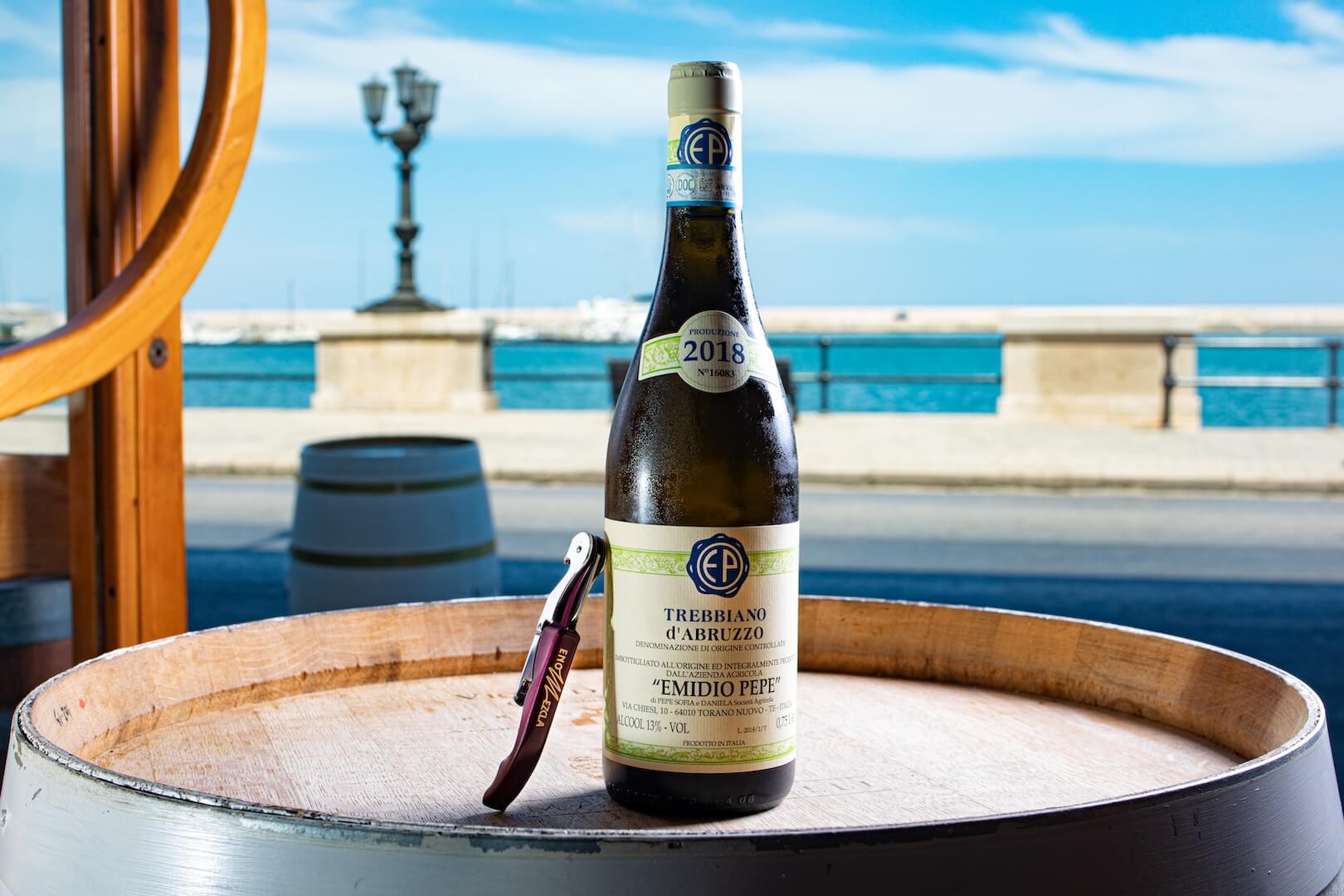
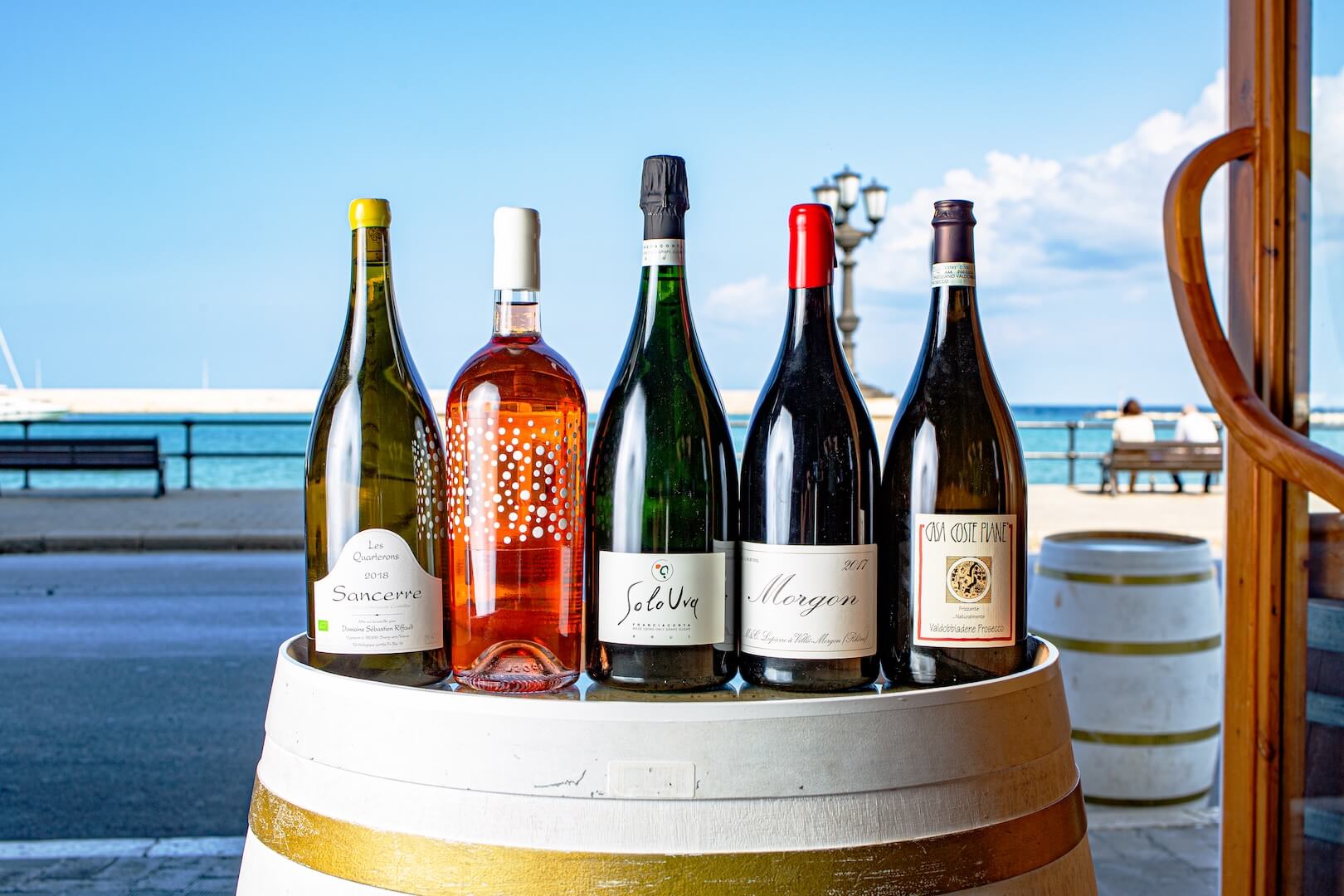
At EnoMezcla, we try to express these nuances through our selection. We offer biodynamic labels that convey elegance, balance, and depth born from attentive work in the vineyard, and natural wines that surprise with vitality, immediacy, and character. We do not present categories as dogmas, but as different experiences to explore through each glass. Our goal is to guide you in understanding how these philosophies translate into taste, structure, and the sensations that every sip can evoke.
And when you taste a wine on our seafront, with the breeze from the Bari shoreline and the slow rhythm of the waves accompanying the moment, everything becomes clearer. The glass is no longer just an agricultural product, but a fragment of the world opening before you. At EnoMezcla we love creating moments like this: a place where biodynamic and natural wine are not labels, but starting points for a sensory journey to be enjoyed with calm, curiosity, and wonder.