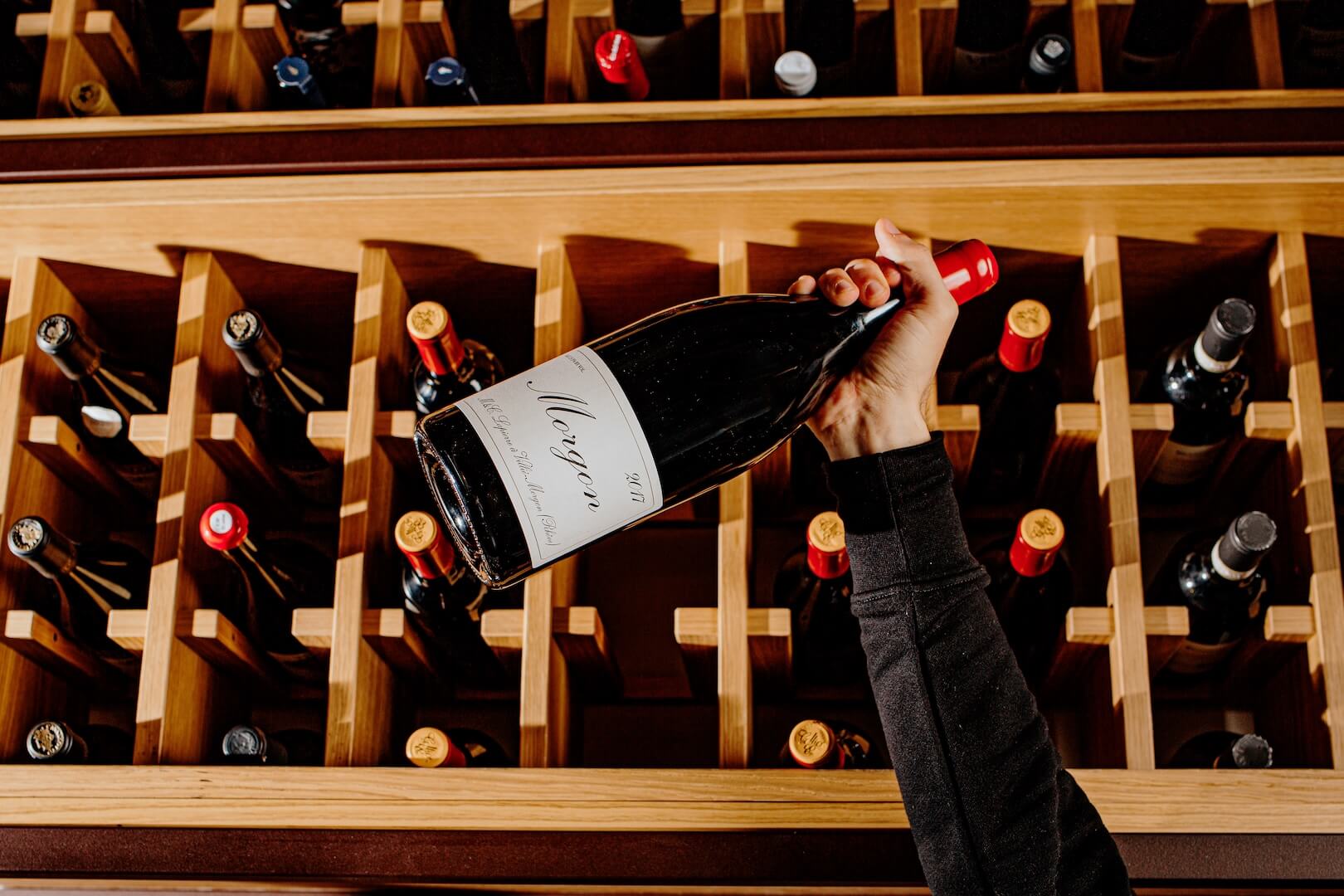
The discussion around organic wine and natural wine has become central in the contemporary wine world, yet it is often approached superficially, creating confusion among enthusiasts and newcomers alike. In reality, the two categories share certain principles but develop according to different logics. Organic wine is regulated by a precise set of rules: in the vineyard, synthetic pesticides are avoided, agronomic practices that preserve soil fertility are encouraged, and the goal is to maintain a balanced ecosystem. In the cellar, the approach remains controlled, with specific limits on the use of sulfites, filtration, and permitted additives. The aim is not to create a particular flavor profile, but to ensure a production process that is more respectful and transparent.
Natural wine, on the other hand, begins first and foremost with an idea: allowing the vineyard, the vintage, and the territory to speak without filters. There is no single official rulebook, but rather a philosophy shared by many artisanal winemakers who commit to intervening as little as possible. Harvesting is done by hand, fermentations proceed spontaneously thanks to indigenous yeasts, and winemaking avoids technical corrections or the addition of substances that could alter the wine’s color, aroma, or structure. Sulfites are used only when absolutely necessary and in very small amounts. This choice often results in wines that are more vibrant, dynamic, sometimes unconventional, yet always capable of conveying a clear identity.
The essential difference between organic and natural wine is therefore not merely regulatory, but lies in the degree of human intervention. Organic winemaking protects sustainability and reduces environmental impact while maintaining a balanced technical approach; natural winemaking goes further, seeking the utmost expressiveness without mediation. Both represent a return to the earth, but with different sensibilities. And it is precisely this diversity of approaches that is capturing new interest today, especially among those seeking authentic, traceable, and terroir-driven wines.
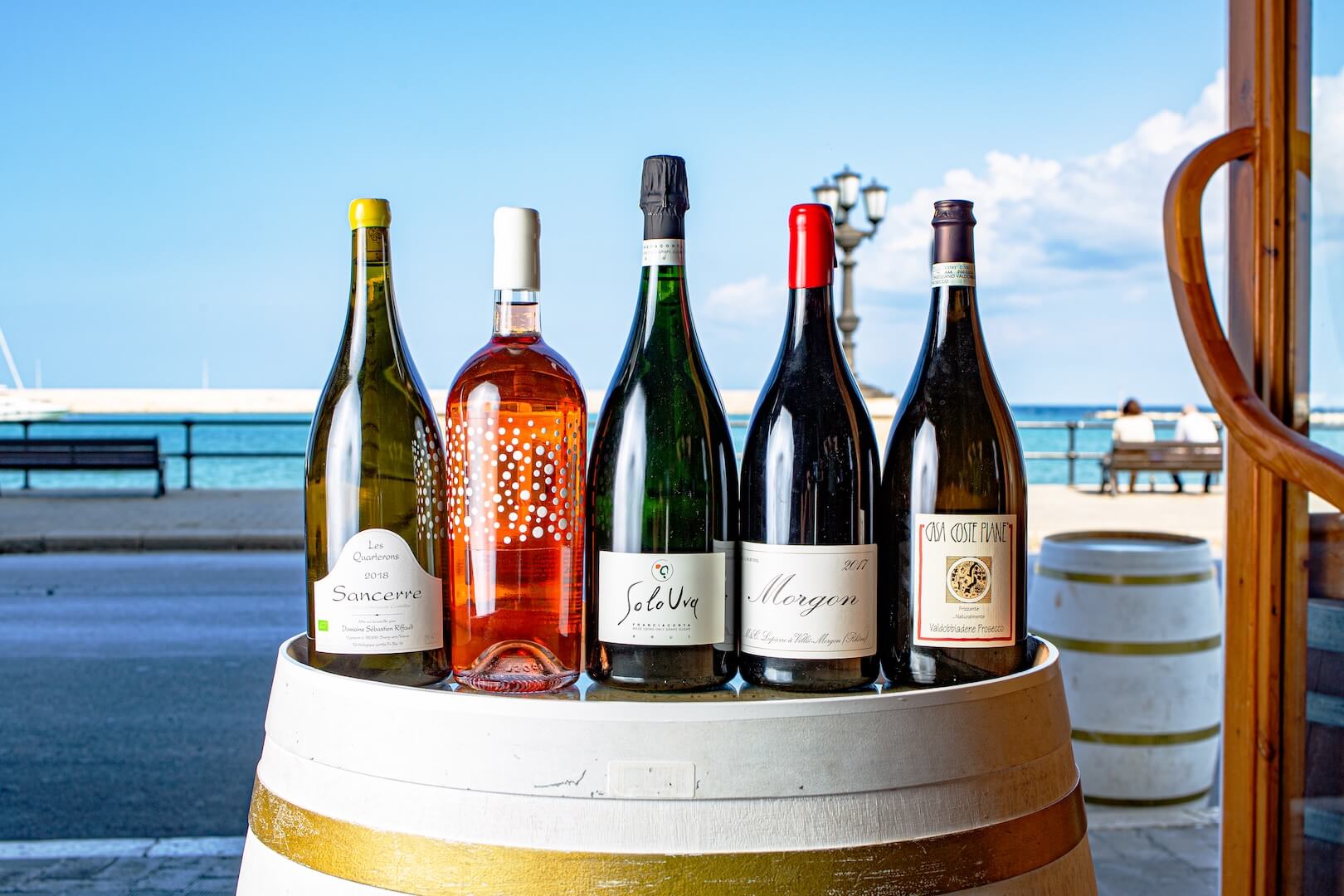
At EnoMezcla, this distinction is not theoretical—it becomes a curated selection of wines that reflect craftsmanship and respect. We choose organic labels for their consistency and reliability, but we also give space to small natural wine producers who experiment and interpret their territory with freedom. Every wine is selected because it tells a story, because it has a distinct voice, and because it can offer a genuine sensory experience, far from standardization and uniformity.
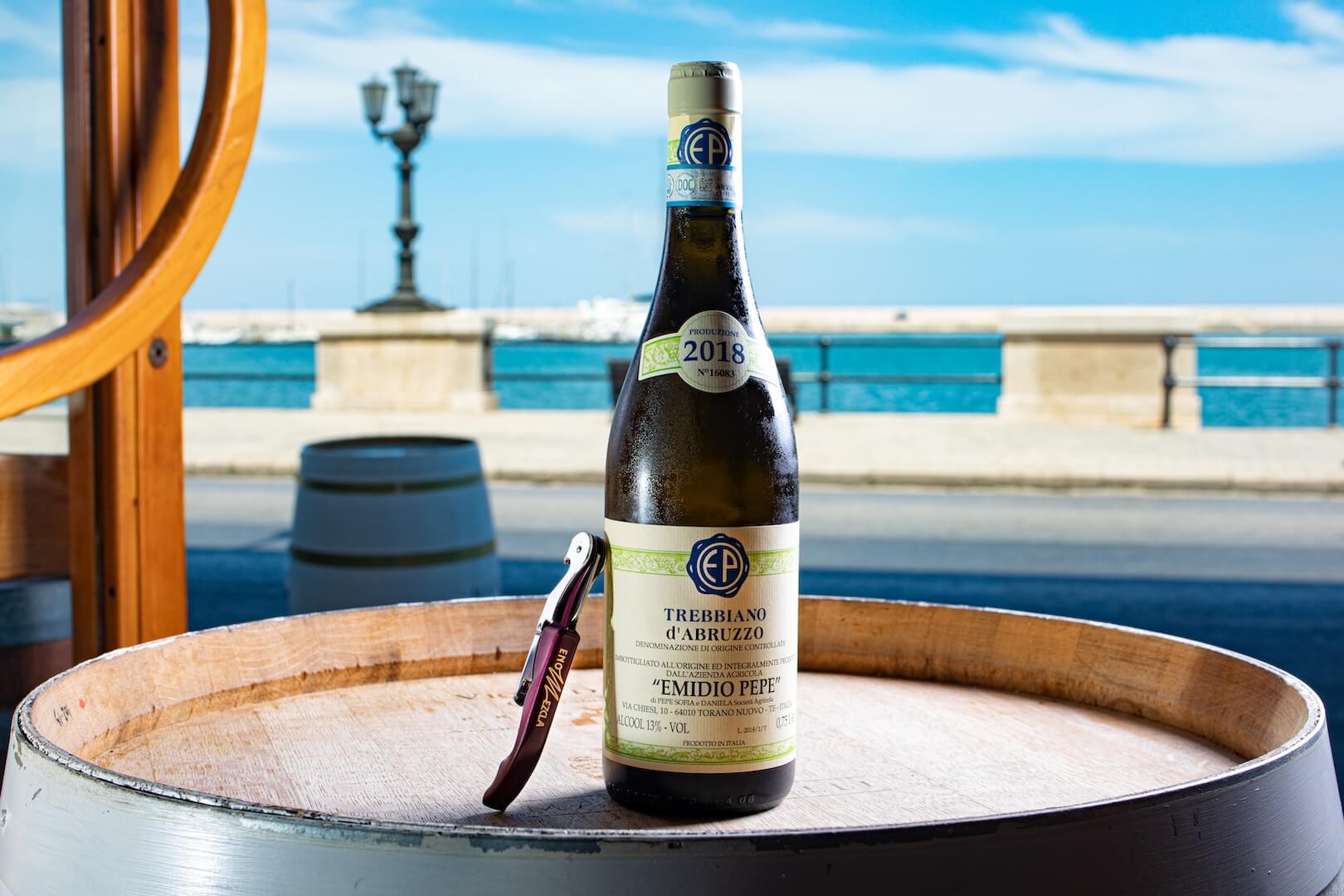
And the context in which you enjoy it makes all the difference. Drinking a glass while looking out at the sea of Bari, feeling the slow rhythm of the waves and the changing light on the water, amplifies the perception of what you have in your glass. It becomes an invitation to slow down, observe, and listen to the wine as you would listen to a story. EnoMezcla was created precisely for this: to transform the act of drinking into a journey through flavors, aromas, memories, and possibilities. Whether you choose a fresh, mineral organic white or a lively, energetic natural red, each glass becomes a bridge between the producer and the person savoring it.
Exploring the differences between organic and natural wine is therefore not just a way to make more informed choices, but also an opportunity to discover new sensory paths. With us, you can do so in the most enjoyable way: by letting yourself be guided, sipping wines selected with care, and immersing yourself in the unique atmosphere of the Bari waterfront—a place where wine is not just consumed, but truly experienced.